Our experience with
Community development
With over 35 years of work invested in Honduras, we’ve recognized that many of the traditional project-based models we and other NGOs used in the past actually limited healthy development. By shifting our focus from projects to people, from US-led initiatives to local formation, we’re seeing remarkable results in rural Honduran communties.
Since 2011, our community development programs have aimed at empowering rural Honduran communities through capacity-building and collaboration, while and addressing spiritual and social challenges to local development.
They will be called Trees of Justice, planted by the Lord to honor his name.
Isaiah 61:3, CEV
Our intentional approach
to holistic development
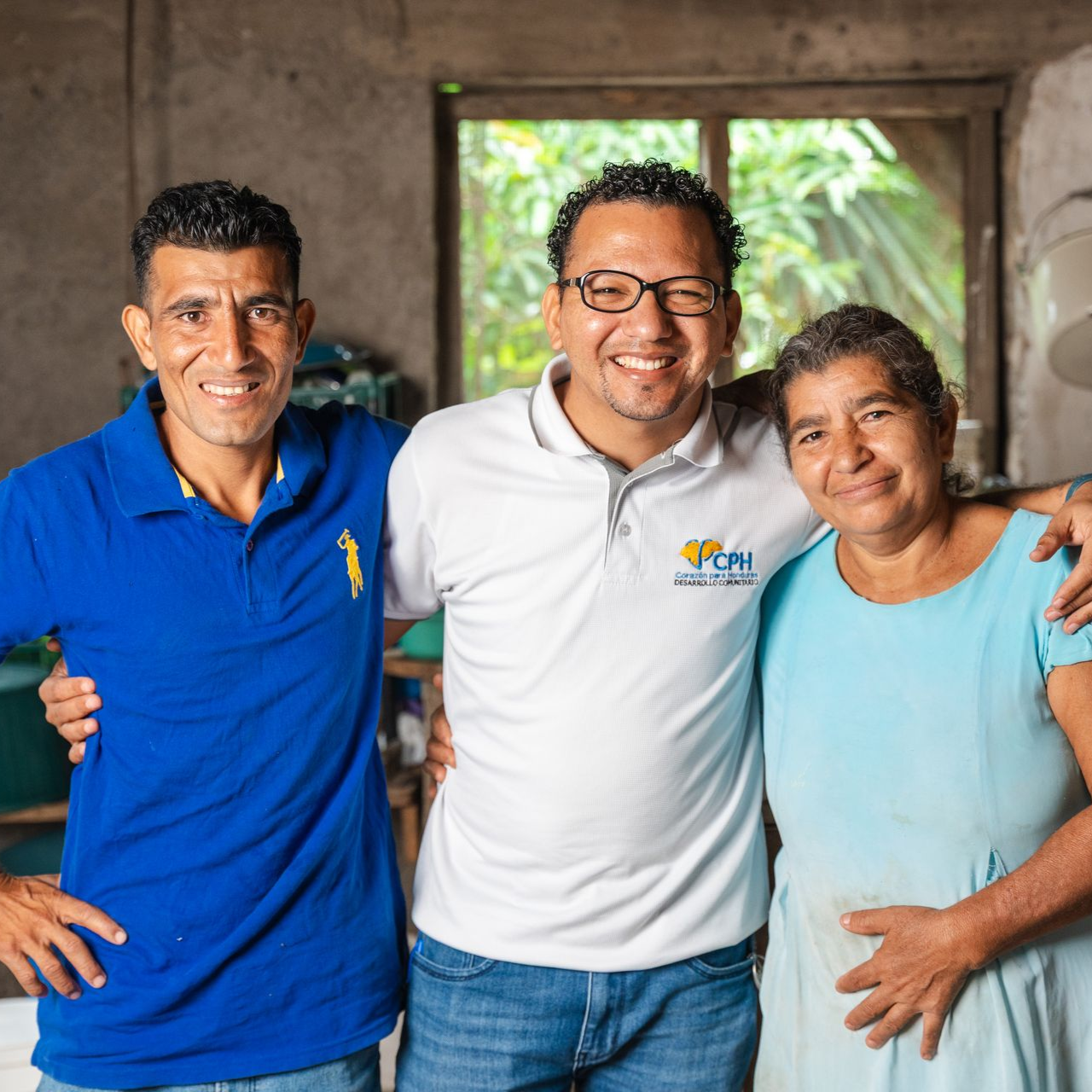
We are actively shifting the narrative of development, inviting communities to take the lead in their own development. Working alongside our talented and empathetic Honduran staff, communities are encouraged to identify their own needs, resources, and priorities. Rather than waiting for someone else to address problems for them, community leaders are recognizing their own capacity to create change, and making their ambitious dreams a reality.
Our step-by-step development process
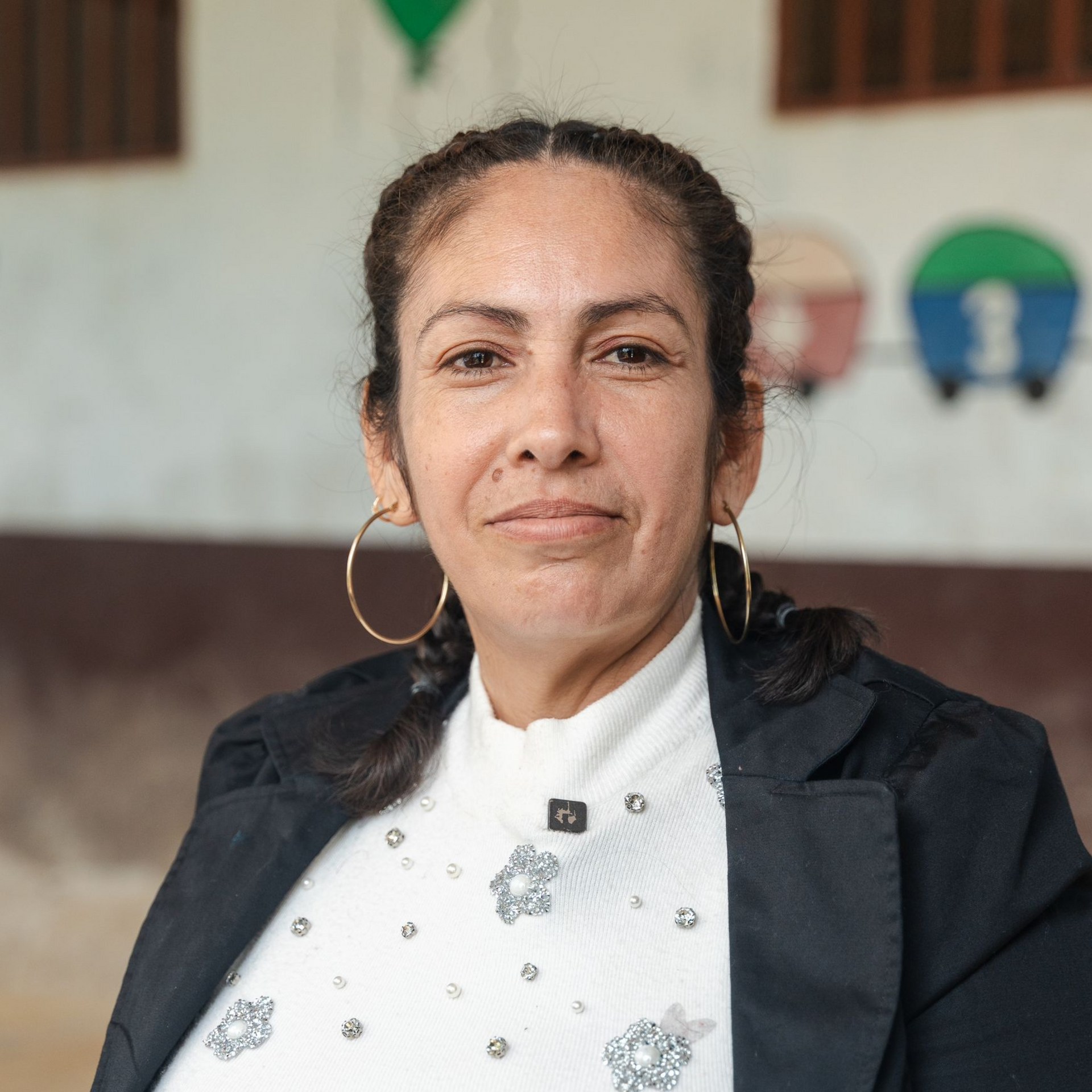
Being part of the program with HTH means that I no longer have to dream alone.
Ruth
Nueva Esperanza II
Who participates?
From the very beginning, we have had many communities reaching out to us, interested in participating in our development programs. We evaluate several key factors before inviting a community to join a cohort:
- Location: We only work in the Lake Yojoa region
- Collaboration among community organizations
- Commitment to dedicate their time and resources
year one
We lay the foundation for community life and leadership. Defining the new Community Commission, we explore the meaning of community, healthy leadership, and roles, while assessing their current state and shape a shared mission and vision.
year two
We build upon the identification of local resources and community history while launching the Genesis Project: the community’s first collective initiative, developing project management, fundraising, and stewardship skills.
year three
We promote transparency in the use of community resources, strengthen conflict resolution skills, and support the legitimate formation of governing boards. Additionally, we cover administrative procedures, healthy management of community meetings, and complete regular evaluations.
year four
As we complete the first phase, we address and formalize legal formation of local organizations. This reinforces civic responsibility, enhances responsible fundraising and financial management, and explores local identity, all while guiding communities through practical steps
toward reconciliation.
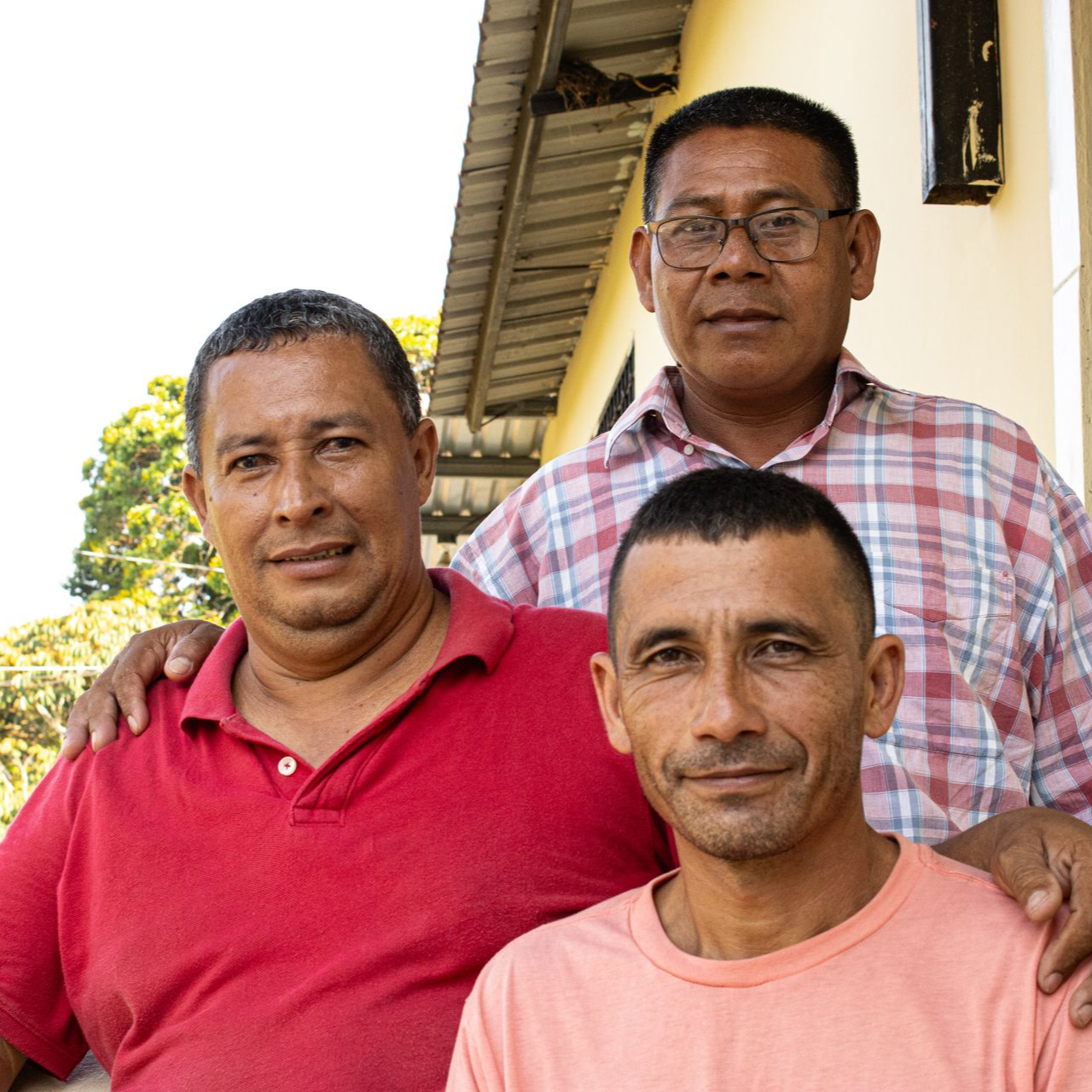
Unidos is the best
thing a community
could have...
Nacho
La Concepción
Moving to phase 2
As we enter the Strengthening Phase, communities deepen their roots by reinforcing principles of healthy development.
year five
We expand understanding of legal status and obligations of local organizations. We also focus on unity, and continue exploring local identity, migration, personality types, and the effective delegation of responsibilities.
year six
We finalize administrative procedures and prepare communities for generational leadership transition. Topics include active, effective communication, disaster prevention and mitigation, and project management.
year seven
We focus on renewal through responsible natural resource management, commitment to reconciliation, and balanced living. We reflect on personal and community legacy while defining clear goals and measurable objectives.
year eight
We encourage civic participation and local resource management. Topic include addressing conflict and crisis, action planning and opportunity identification, basic accounting practices, internal controls, and accountability, as well as health, sanitation, and disease prevention.
year nine
We deepen stewardship of human, material, and natural assets while enhancing community organization and local economic capacity. We focus on community business plans, identifying productive opportunities, while promoting conservation and sustainable practices.
Moving to phase 3
Transitioning to the Sustaining Phase, communities master strategic planning and long-term sustainability.
year ten
We cultivate leadership, management, communication, and negotiation skills while guiding the creation, structure, and management of community-led enterprises and locally-developed products and services.
year eleven
In the final year of the program, we solidify resilience through crisis management and socio-emotional skills like conflict resolution, emotional regulation, and sound decision-making. We encourage persistence and continuous improvement, strengthen awareness of financial risk, and dive into principles of adaptive management with a strong emphasis on accountability and compliance.
graduation
A meaningful graduation ceremony celebrates the culmination of this 11-year journey where communities have grown in their identity in Christ, strengthened their sense of belonging, and developed the leadership, unity, and stewardship needed to guide their own sustainable future. This milestone marks a transition, recognizing communities equipped to continue growing with resilience, integrity, and hope.
replanting
Like trees grow and mature to reproduce, it is our hope that the fruit of the labors of our graduated, sustainable communities will ultimately spread blessings to the villages around them. They will serve as mentors to new communities, planting more seeds of development in rural Honduras.
Encourage more growth.
Your gift can change the trajectory of an entire community.
The end goal of our community development programs is to create places of belonging in rural Honduras. Places where young people don’t feel the pressure to migrate, because there is so much opportunity right in front of them. Communities where each individual can see how their presence and contributions matter.